





New early years children protection module launched
Monday, 3 Nov 2025
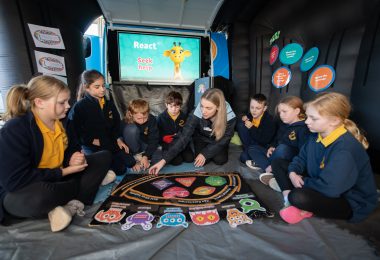
Every conversation matters when it comes to keeping children safe. Life Ed is proud to launch Harold’s Body Boundaries – a new early years module designed to empower little learners with an understanding of body autonomy and consent.
Body boundaries and personal safety are big topics for small children, but when taught in the right way, they’re empowering and critical to keeping kids safe. Just as we teach children with staying safe on the road, in the water, and at home, we also need to prepare them to stay safe with others.
Designed especially for children aged 3-5, Harold’s Body Boundaries uses play-based, age-appropriate learning experiences to support children to develop an understanding of body boundaries, personal space, consent and the trusted adults in our lives we can turn to for help.
In the session, children will learn that every person has a right to personal space, and that it’s okay to say “yes” or “no” to touch. They learn the proper anatomical names for private body parts and identify safe adults they can go to for help.
With interactive games and story telling, this session builds confidence, protective behaviours and personal safety awareness in a respectful and age-appropriate way.
Families need support too, which is why we’ve shared practical tips to help keep your children safe.

What to talk about
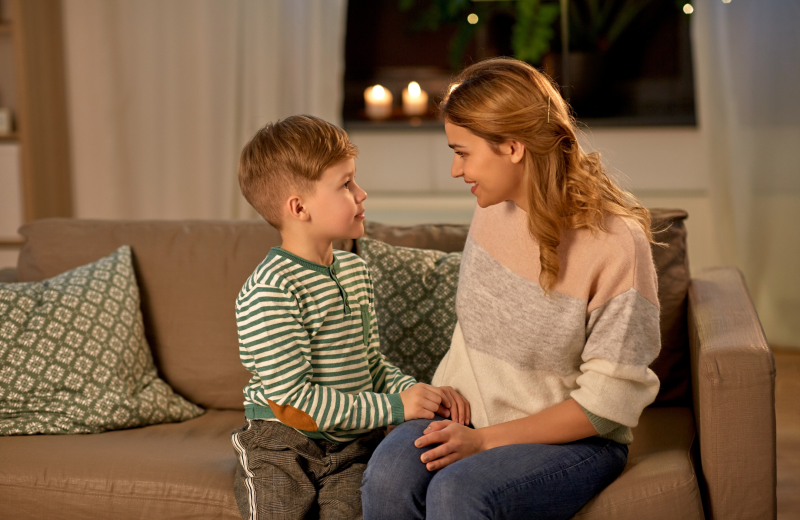
Parents and carers play a vital role in reinforcing body safety messages at home.
Having conversations about body safety send the message that your child can always talk to you and that you will listen no matter what.
Children have the right to be safe and talking about body safety helps to create safe environments that help children grow and thrive.
Helpful ways to support your child include:
- Start the conversation early. Let your child know it’s okay to say “no” to touch that doesn’t feel right.
- Use the right words. Teach them the correct anatomical names for body parts to help them communicate clearly.
- Talk about secrets. Explain the difference between “safe” secrets, like a surprise party, and “unsafe” secrets that might make them feel worried.
- Help them name their safe adults. Encourage your child to identify trusted people they can turn to for help or comfort.
- Keep it open. Remind your child that they can always come to you with questions or worries, no matter how small.
At Life Ed, we believe education is one of the most powerful tools for keeping children safe. When families and educators work together, using consistent language and shared understanding, children are supported to develop confidence, body awareness and self-advocacy skills that last a lifetime.
By starting these conversations early, we help children grow up feeling safe, strong and supported.