




Supporting student wellbeing in the classroom
Wednesday, 28 Jan 2026
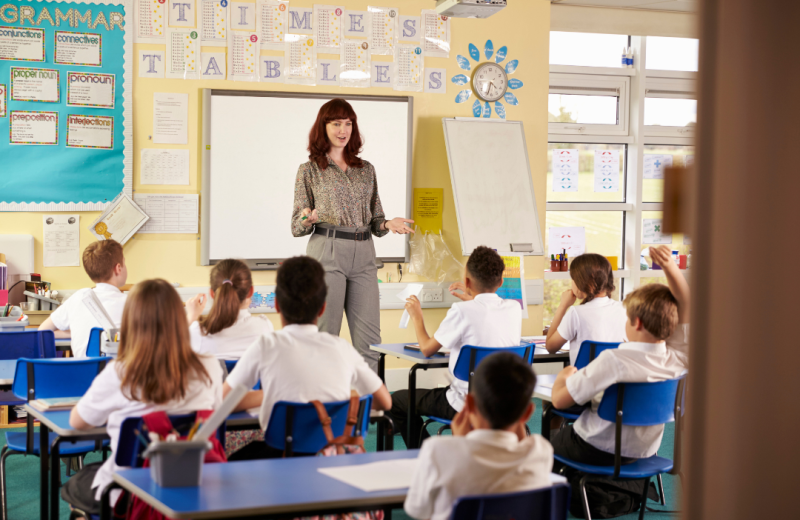
As students return to school, they bring with them curiosity, energy and a growing sense of independence. Alongside this, they may also experience uncertainty as they adjust to new routines, classrooms and relationships. When schools intentionally support student wellbeing early in the year, they help young people build confidence and readiness for learning.
Wellbeing is not about fixing problems, it’s about nurturing the strengths students already have and helping them develop skills that support learning, relationships and resilience.
Creating environments where students feel safe and confident
Students thrive in learning environments that feel predictable, welcoming and inclusive. Clear routines, shared expectations and positive relationships help students feel secure and capable as they settle into the school year.
Practical strategies might include starting each day with a familiar morning routine, using visual schedules to support transitions, or co-creating classroom agreements so students understand expectations and feel a sense of ownership. Greeting students by name, setting aside time to explain new routines, and checking in one-to-one with students who may be feeling unsettled can also strengthen feelings of safety and trust.
Simple practices such as regular emotional check-ins, like an ‘emotional weather report’ where students share how they’re feeling (sunny, cloudy, stormy) – alongside consistent classroom structures and opportunities for student voice. When students feel seen and supported, they’re more able to engage fully in learning.
Building emotional skills through everyday learning
Students are continually developing their ability to recognise emotions, manage challenges and connect with others. Classrooms provide powerful opportunities to strengthen these skills through everyday interactions.
Teachers can build emotional skills by naming emotions during learning moments (“It looks like this task feels challenging right now”) or modelling calm problem-solving when things don’t go to plan. Short mindfulness or breathing activities after breaks, movement breaks between lessons, or reflective questions at the end of the day help students practise emotional regulation in manageable ways.
When teachers model calm responses, empathy and emotional awareness, students learn practical strategies they can use themselves. Activities such as mindfulness moments, movement breaks and reflection support emotional regulation and help students build lifelong wellbeing skills.

Strengthening connection and belonging
Feeling connected is central to student wellbeing. Opportunities for collaboration, relationship-building conversations and shared experiences help students develop a sense of belonging within their classroom and school community.
This might look like structured group work with rotating roles, partner discussions that encourage active listening, or class meetings where students can share ideas and celebrate successes. Buddy systems, peer mentoring and inclusive playground activities can also help students form positive connections beyond the classroom.
By creating space for respectful communication and peer connection, schools support students to develop social confidence, empathy and positive relationships that enhance both wellbeing and learning.
Supporting growth through a whole-school approach
Student wellbeing is most effective when it is embedded across the whole school, rather than addressed in isolation. Evidence shows that consistent social, emotional and physical learning approaches are most impactful when students experience the same messages, language and expectations across classrooms and school settings.
Whole-school approaches may include shared wellbeing language, aligned behaviour expectations, staff modelling positive relationships, and regular opportunities for students to practise skills across different contexts. Engaging families through consistent messaging and practical resources further strengthens this approach.
Life Ed supports schools to take a strengths-based, whole-school approach to wellbeing – building on what students can do, supporting their growth and helping them develop the confidence, skills and resilience they need to thrive throughout the school year and beyond.