




Shifting focus from intervention to education
Tuesday, 1 Sep 2026
By Karen Robertson, CEO of Life Ed Australia.
As concerns continue to grow about online algorithms and the rise in misogyny, our young people are losing their lives while we argue about how to have honest conversations with them.
Death shouldn’t be the precursor to prevention, especially when the answer is as simple as education.
We need to shift our focus from crisis intervention to early education, and this takes long-term investment to reach kids when it counts.
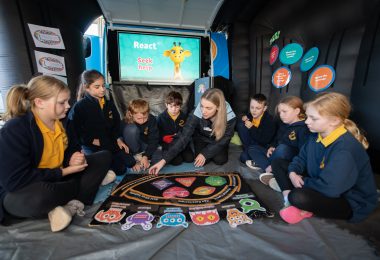
Healthy Harold sparks nostalgia for many adults because his visits are an Australian rite-of-passage. They’re also a core memory because these sessions give children a safe space to have open conversations.
Yes, it can be awkward to talk to kids about relationships and sex. What’s more confronting is the research from Monash University that states:
- Children as young as eight are being exposed to the manosphere.
- 78% of teachers observed or experienced sexism or misogyny in school, while one in three observed or experienced this frequently.
We need to sit in the awkward with children and young people. We need to work together to drown out the rage-bait of the loud minority, who are profiting from harm. We need to elevate the voices of the majority of young people who are actually making positive choices and building respectful relationships.
Life Ed Australia has seen the impact of peer-to-peer education in the development of their suite of modules, with studies reinforcing this as findings show that young people are more likely to change their behaviours and attitudes if they receive messages from other young people who face similar concerns and pressures.*
It’s this student-led, strengths-based approach to respectful relationships education that has been impactful in primary schools across the country, with results from the Life Ed Quarterly Impact and Learning Report (Term 4, 2025) showing:
- 93–98% of teachers reported evidence of student engagement, learning and applied skill development.
- 86–89% of teachers reported improved confidence, preparedness and likelihood of embedding program concepts into classroom practice.
- 96–99% of teachers rated Life Ed Educators highly across expertise, safe learning environments, and responsiveness to student needs.
Life Ed Australia’s core offering in the early years and primary schools sees respectful relationships embedded across all modules in age-appropriate lessons that grow as children do. This best practice approach provides multiple touchpoints in and beyond the classroom to encourage open conversations and the practice of positive decision-making with teachers, parents and peers.