




Preparing students for puberty: Why the right conversations matter
Monday, 24 Aug 2026
Puberty is a significant period of growth and change. For students approaching adolescence, it can bring new experiences across their physical health, emotions, relationships, identity and sense of self.
Providing accurate, age-appropriate information can help students understand these changes, build confidence and know where to turn when they have questions or concerns. At Life Ed, we believe health education is most effective when students are equipped with knowledge and practical skills before they need them. That is why puberty education is an important part of supporting the health, wellbeing and safety of young people.
More than learning about body changes
Puberty education is not simply about explaining what happens to the body. It provides an opportunity for students to develop the knowledge, language and interpersonal skills they need to navigate change in healthy and respectful ways.
Students can learn that puberty happens at different times for different people, that changes are a normal part of growing up, and that there is no single way to experience adolescence. They can also develop strategies for managing emotions, seeking reliable information, communicating respectfully and identifying trusted adults who can support them.
This holistic approach reflects the broader purpose of health education: supporting young people to make informed decisions and develop the skills, attitudes and behaviours that contribute to positive health and wellbeing.
Creating space for questions and conversations
For some students, puberty can feel exciting, confusing or uncomfortable. Having opportunities to ask questions in a safe and supportive learning environment can help normalise these experiences and reduce uncertainty.
This is where schools play an important role. NSW Education identifies learning about body changes, help-seeking and supportive relationships as part of students’ development through PDHPE. The 2024 Personal Development, Health and Physical Education K-6 Syllabus also strengthens the focus on health literacy, self-management, interpersonal skills, respectful relationships and safety.
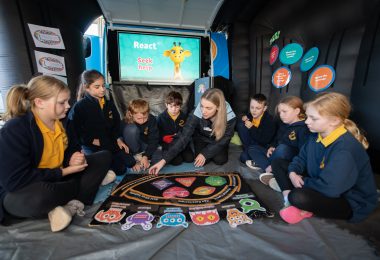
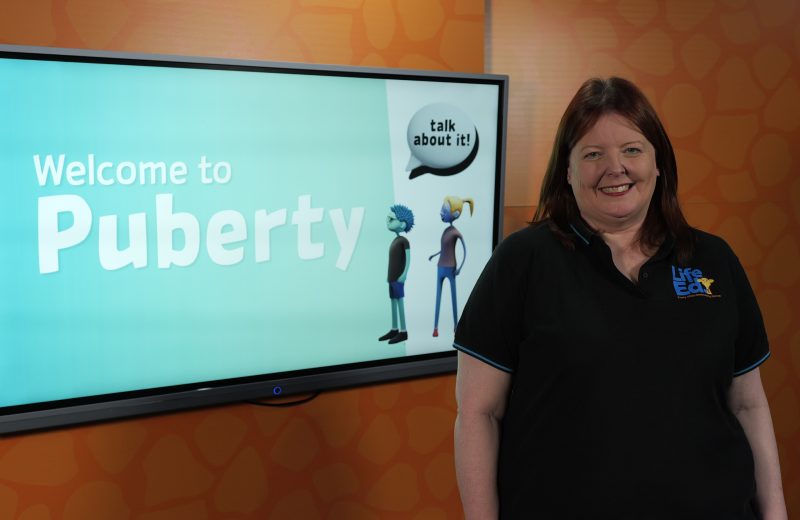
Life Ed’s Talk About It program supports this learning for students approaching and experiencing puberty. Through Welcome to Puberty and Thriving in Puberty, our specialist educators create an age-appropriate space where students can build understanding of the changes they may experience and develop practical strategies to support their wellbeing.
For more than 45 years, Life Ed has been helping schools build health literacy and wellbeing skills through evidence-informed, engaging education. Our role is to complement the important work already taking place in schools and provide specialist health education that connects knowledge with real-world skills.
Because preparing students for puberty is about more than knowing what will change. It is about helping them feel informed, supported and confident as they grow.