





World Milk Day: 1 June, 2026
Friday, 8 May 2026

World Milk Day is not only a celebration of milk, but a celebration of the hardworking Aussie dairy communities. Australia’s dairy farmers have been proudly producing the dairy foods we love every day for almost 200 years. They work hard to ensure we have fresh, nutritious milk every day!
Milk plays an important role in the growth and development of kids and is packed with more than 10 essential nutrients, including calcium which helps build strong bones and teeth. Milk is also a good source of energy and protein.
Depending on their age and gender, school children and adolescents need between two-and-a-half and four serves of dairy foods every day for good health and well-being. However, the most recent Australian national health survey showed that 6 out of 10 Aussie kids are not getting enough dairy each day. It is so important to educate students on the health and nutritional benefits of dairy as part of a balanced diet through these formative years.
Resources
Health and nutrition information for students
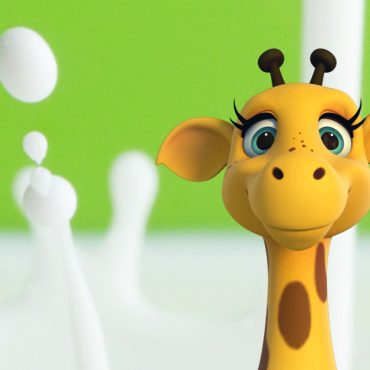
Powered by Milk teacher guide and student activities
Bring learning to life as students explore the nutritional benefits of dairy through interactive activities.
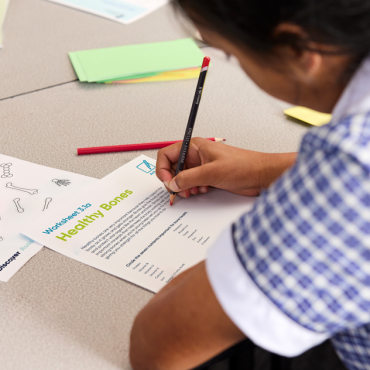
How much dairy do kids need?
Teacher Guides
Ready-to-use and curriculum-aligned.

Virtual Reality
Discover how milk is made.

Cooking with Harold

Sponsored By
Dairy Australia
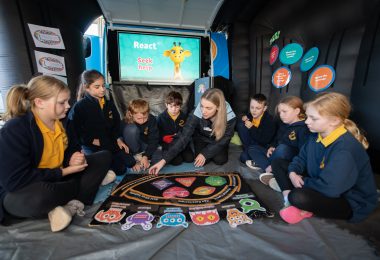
Dairy Australia is partnering with Life Ed, home of beloved mascot Healthy Harold, to promote the importance of including enough dairy in the diets of children nationwide.