





Take A Breath
Year 5 / Year 6

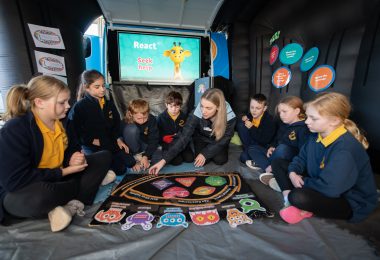
'Take a Breath' features children in Years 5 and 6 who have genuine questions about vaping, alongside real high school students who recorded and edited their responses.
Overview
Students investigate the issues around vaping and smoking. Students are encouraged to stop and "take a breath", ask questions, seek answers, and exercise critical thinking skills before making a decision.
Life Ed programs are not just a visit, they’re a 4-step multimodal pathway! So make use of the whole learning pathway… Harold’s pre-visit lesson; the Life Ed educator visit; 2 post-visit lessons, booster sessions and the parent communication.
Learning outcomes include:
Life Ed programs are not just a visit, they’re a 4-step multimodal pathway! So make use of the whole learning pathway… Harold’s pre-visit lesson; the Life Ed educator visit; 2 post-visit lessons, booster sessions and the parent communication.
Learning outcomes include:
- Understand the impacts of smoking and vaping on individuals and communities
- Understand the social norms around smoking and vaping in the community
- Apply critical thinking skills in relation to smoking and vaping
- Apply strategies that promote their safety and the safety of others
Step 1: Pre-lesson
To be completed with your class before the Life Ed visit.
Take A Breath – Pre-visit Mini Lesson – How does nicotine get into the body?
This mini lesson introduces students to the ‘Take a Breath’ module. The activities within this lesson focus on the drug nicotine and how it enters the body. An optional “evidence of learning” activity is designed to consolidate student learning.
10 minutes – Depending on duration of discussion
School Lesson
Pre lesson – An Overview for Parents
Step 3: Post Visit
To be completed with your class after the Life Ed visit.
Take A Breath – Post-visit Mini Lesson – The Costs of Smoking and Vaping
This lesson supports students understanding the true “costs” of smoking and vaping. Within the lesson are four mini-units investigating the health, financial, and environmental costs of smoking and vaping and the potential impact on relationships. You may start and stop the lesson and return at any time to accommodate your needs and those of your students.
30 minutes – Depending on duration of discussion
School Lesson
Take A Breath – Post-visit Mini Lesson – Critical Thinking & Reliable Sources
This lesson supports students as they develop their critical thinking skills and investigate reliable sources of information about smoking and vaping. The optional “evidence of learning” activity challenges students to categorise a variety of sources of information as reliable or unreliable.
15 minutes – Depending on duration of discussion
Video Lesson
Take A Breath – Post-visit Mini Lesson – A Smoky History
This lesson investigates the history of smoking and nicotine products in Australia. It starts with an animation explaining the arrival of tobacco to Australia from the perspective of First Nations Peoples. It then gives an overview of the changes to laws in Australia.
15 minutes – Depending on duration of discussion
School Lesson
Attention: Teachers
Use this Assessment Rubric (PDF) to assist with assessing the student comprehension of Take A Breath Booster Session content.
Step 4: Booster Sessions
The Booster sessions videos and discussion guides are the last part in the 4-Step program. A discussion guide with questions and suggested answers is attached with each booster session video below. To meet all of the outcomes for this module, teachers are encouraged to use the discussion guides to extend student learning and observe student understanding of the content covered.
Take A Breath – Session 1 – Smoking To Vaping – Then To Now
This booster video lesson takes students through the history of smoking in Australia, changes to advertising, laws and the decreasing rates of smoking. Students are encouraged to make a link between smoking and the changing social norms around vaping. Please allow time for class discussion. A discussion guide and optional assessment task are included.
12-minute video – plus discussion time
Video Lesson
Assessment Task (PDF)
Discussion Guide (PDF)
Take A Breath – Session 2 – Science and Costs
In this video lesson, the information students have learned about nicotine in the Take a Breath module is reinforced, and students are encouraged to consider the broader spectrum of costs and impacts of vaping.
Please allow time for class discussion. A discussion guide and optional assessment task are included.
10-minute video – plus discussion time
Video Lesson
Assessment Task (PDF)
Discussion Guide (PDF)
Take A Breath – Session 3 – Finding Answers: Your Voice, Your Choice
In the final video lesson, students are encouraged to consider how they can support others and be a positive influence on their decisions around vaping. They are reminded that most young people choose not to vape or smoke and challenge themselves to think of their dreams for the future and how making healthy and safe choices will help them achieve their dreams. Please allow time for class discussion. A discussion guide and optional assessment task are included.
8-minute video – plus discussion time
Video Lesson
Assessment Task (PDF)
Discussion Guide (PDF)